Tuesday, 28 June 2016

Music video research analysis of Digipaks

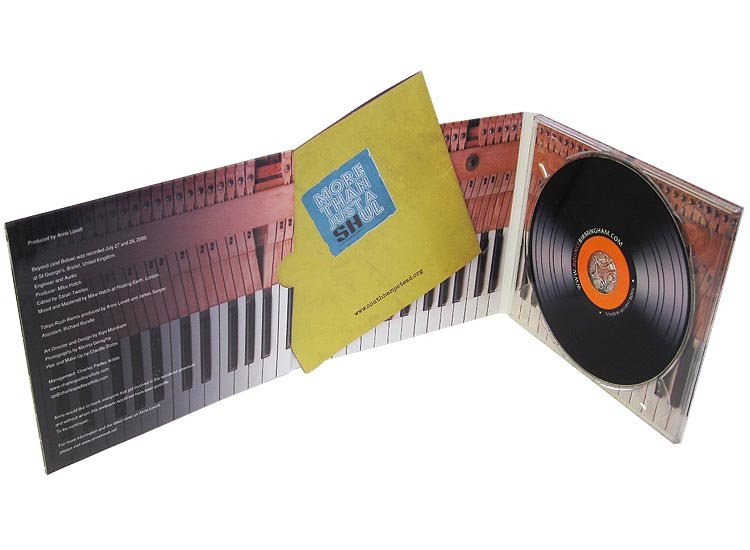
A Digipak is a type of packaging used for CD covers or known as special editions for CD albums. The internal of the pack is made of card or paper and the external is plastic that covers the CD. A Digipak is made in a book style which it can hold CD or DVD attached to the inside. They can also include posters of the band or the singer in the Digipak also, it would include a track listings. The Digipak can be presented in a number of ways: a Digipak can be presented as 4 or 6 plate. or in terms of the layout, the CD can be in the middle and the side or if there is more than one CD, they can be next to each other or on either end. A Digipak is a way of sharing and sharing the music and the star persona.


I believe the age demographic for Digipaks are mostly adults because children and teenagers download their music because it is easier to access song on an Ipod or a smartphone. It is also cheaper to download music because you can do it illegally where website can provide a variety of songs that you can stream music to electronic devices for free. Digipaks are more expensive mainly because of the packaging and how it is presented. There are many advantages of owning a Digipak as it contains a lyrics page so the buyer can sing along to the songs and it also suggests that artist cares about the listener enjoying the lyrics. A Digipak is made for any genre type as it is a way of promoting the band or artist.


Learning comment: From this task i have learnt that Digipaks have had a massive impact for promoting bands and artists as it is a much better looking presentation than a CD cover.

What must be included in a Digipak:

- The Digipak must have a consistent 'house style', this may include colour, fonts and imagery
-The style should also clearly reflect the genre from which that artist belongs to and it should be made in high quality
-The exterior should clearly show the name of the artist and the ablbum.
-The Digipak should normally have images of the artist themselves as this makes it easily recognisable for promotion
-There should be a track list that lists all the songs on the album plus any added extras and this would usually be found on the back of the Digipak


Monday, 27 June 2016

Music video research analysis of usic websites


Learning comment: From this task I have learnt that there needs to be a certain structure to make a music website successful such as the layout, font and colour. From researching music websites I have found out how different genre types use colour and the layout of the website to suggest the type of personality that the artist may have. A music website also shows representations of artists and how fans can interact and to be closer to the band or artist.

Wednesday, 22 June 2016

Lip Syncing Task


Learning comment: From this task i have learnt how to stay in time with a song while it's played to make it look more realistic. I have also learnt that over exaggerating or using more movement with my mouth can create the impression that i am the one who is singing in this song. This task was important to do because it has helped me improve my timing within a song and this also gave me ideas and how to improve the lip sync video. I believe that the use of hand gestures and stretching my mouth to over exaggerate a song was good because it made the video look more realistic. If i were to change the lip sync video i would change the song as i found out a slower paced song looks more realistic when lip syncing and it's easier to keep in time. My advise about lip syncing is to over exaggerate in a song by stretching your mouth, this will make the music video more realistic.


i have learnt from the last lip sync video that the use of camera angles and location can be a massive difference when making a music video. the last lip sync video only included one location and camera angle but i have improved on a variety of areas.
Improvements:
- camera angles
- setting
- positioning
- body language
- facial expressions

Sunday, 19 June 2016

The History of Music Videos


A music video or song video is a short film integrating a song and imagery, produced for promotional or artistic purposes.[1] Modern music videos are primarily made and used as a marketing device intended 
to promote the sale of music recordings


Michael Jackson's Thriller is a 13-minute music video for the song of the name released on December 2, 1983. It was directed by John Landis, who also co-wrote the screenplay with Michael Jackson.In December 2009, it was selected for the National Film Registry by the Library of Congress along with 24 other films.It was the first, ever (and to this day, only) music video to be selected.The Registry titled Thriller as “the most famous music video of all time”. The coordinator of the National Film Preservation Board, who decides upon candidates for inclusion in the National Film Registry, Steve Legett, said “The time is right” for Thriller to be included, because of the death of Jackson that year.


The music video of Gangnam Style by recording artist Psy, was directed by Cho Soo-hyun. The music video was filmed in Seoul for 48 straight hours. The video was premiered on July 15, 2012.The music video was the first to hit 1 billion views on the video-sharing website YouTube and in June 2014 the video gained 2 billion views

Learning comment: From researching the history of music videos i have learnt that the huge development of video editing and special effects have made music videos more appealing also, being creative and out of the box can attract an audience. I found out that editing has had a massive improvement overtime and fast paced editing has made a difference to music videos because it can show more of the narrative.